

 Q&A
Q&A






Create Distinct Formats and Maintain Minimum Presence
At Equipoise Coffee, we faced this exact challenge when we decided to carve out space for our ready-to-drink cold brew line. Our bagged whole bean sales were strong, and I couldn't risk alienating loyal customers who came specifically for our signature blends.
The first thing we did was protect our core SKUs by never reducing their shelf presence below our minimum threshold. We calculated the average weekly movement of each core blend and ensured we always had at least two weeks of inventory displayed, even if it meant storing some backstock in a less accessible area temporarily. We'd rather restock more frequently than create a situation where someone's favorite Equipoise medium roast wasn't available.
The single visual merchandising move that saved us was creating a clear "shop by format" zone rather than mixing everything together. We kept our whole bean wall exactly where it had always been, which maintained that familiar landmark for returning customers. Then we built out the RTD section as a distinct experience on the opposite side, with its own signage and cold display. The key was making the two sections feel complementary but not merged. We used consistent branding elements like our logo and color palette, but the signage and layout made it immediately clear that one area was for taking coffee home to brew, and the other was for grabbing something cold right now.
What surprised me was how well the separate zones actually drove crossover purchases. People who came for beans noticed the cold brew section and added a bottle to their order. New customers who discovered us through RTD eventually wandered over to explore the whole bean wall. By keeping the sections distinct rather than blending them, we didn't confuse anyone. Shoppers understood exactly where to find what they wanted, and the clear boundaries actually encouraged exploration rather than creating the overwhelming feeling that can happen when you mix too many categories together.
Lock Anchors Orchestrate Clear Sightlines
When I reassign in-store space, I safeguard availability for core sellers by locking in a few strong anchor positions that stay constant while the new category is introduced around them. The single move that makes the shift work is selecting those anchor displays and giving the surrounding area deliberate breathing room so new items complement rather than compete. I plan the customer path so those anchors guide the eye and provide familiar sightlines for regular shoppers. By fixing the concept and main pieces early, the rest of the change becomes execution, not chaos, which prevents confusion.
Use Logical Adjacencies to Direct Flow
The category adjacencies are critical - meaning that the natural domino effect of moving or expanding a category would mean having to relocate the others. The relocations should be very strategic and logical, placed where it would naturally flow into, so that a customer can sense where it could be, based on adjacent categories that belong with it. The natural flow of a customer would dictate where each category ends up.
Test Trends on Modular End Bays
We've seen retailers make the mistake of chasing trends too aggressively and sacrificing the products that consistently drive repeat purchases. The best results usually come from reallocating secondary display space first, not disrupting the core aisle structure immediately.
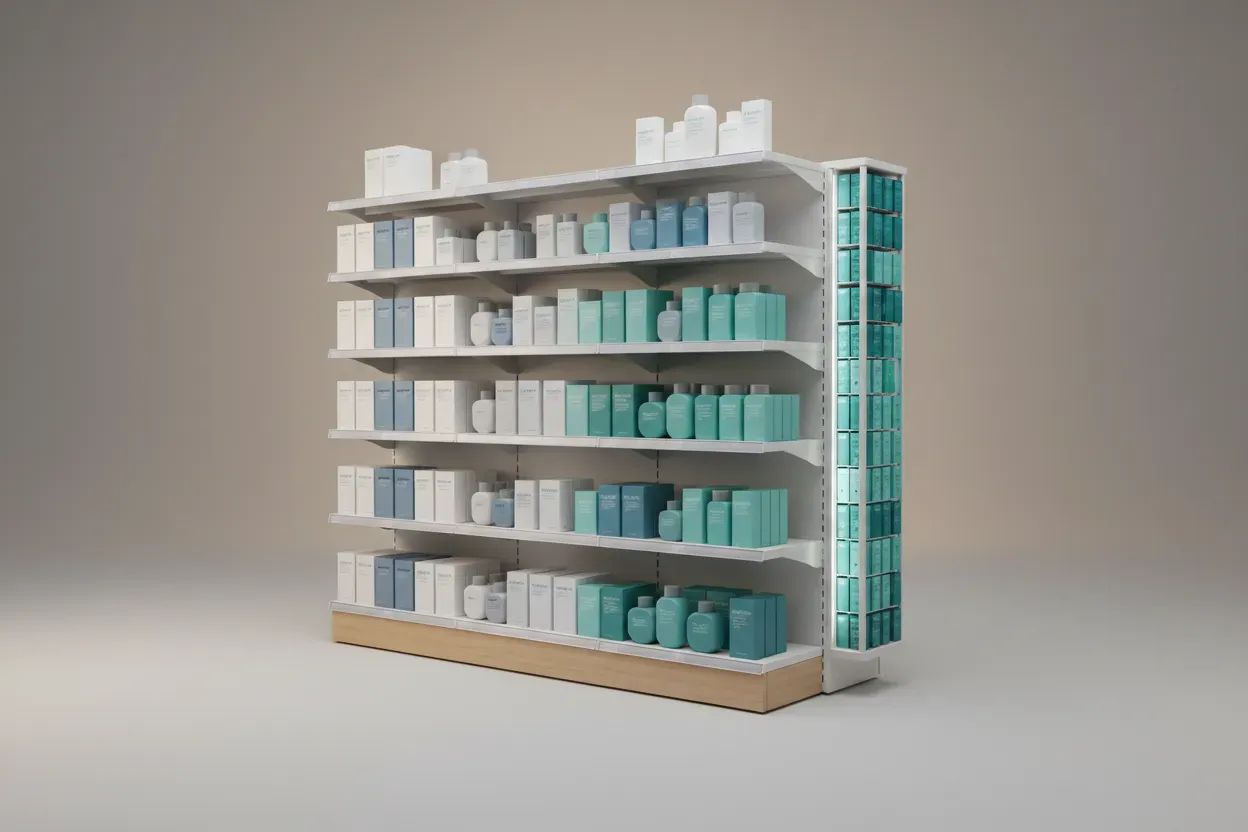
One approach that worked particularly well for a supermarket client was creating modular promotional end bays using gondola shelving rather than permanently shrinking high performing staple categories. That allowed them to trial a fast growing health snack range without reducing visibility for their top selling grocery lines.
The key visual merchandising move was maintaining consistent customer flow and product logic. We kept the trending products adjacent to related core categories rather than isolating them in random promotional areas. Shoppers could still navigate the store naturally, which reduced confusion and improved cross selling at the same time.
Flexible shelving layouts matter heavily here because retailers often need to adjust quickly if a trend slows down or demand shifts again.
Group by Solution Protect Core Counts
At MacPherson's Medical Supply, we face this challenge constantly. When we decided to expand our mobility aids section last year, I was honestly nervous about squeezing out our core wound care and incontinence supplies that keep the lights on.
The biggest lesson I've learned is that you can't just play Tetris with your shelves and hope for the best. We safeguard our core sellers by running what I call "availability audits" before any reset. I'll pull twelve months of sales data for our top twenty SKUs and map exactly how many facings each one needs to maintain our fill rate. Those numbers become non-negotiable. If a core item needs four facings, it keeps four facings no matter how exciting the new category is.
We also started using planogram software that lets us model scenarios before touching a single shelf. This saved us when we launched our home health monitoring category. I could see that we'd lose eight linear feet of mobility accessories, which would've created stockouts on walkers and canes during peak season.
The single visual merchandising move that made our transitions work without confusing customers was color-blocking by solution rather than by product type. Instead of organizing everything by manufacturer or strict category, we group items by patient need. So when we introduced our new telehealth equipment, it sat naturally next to blood pressure monitors and glucose supplies under a "Home Health Monitoring" section with distinct signage and a different shelf color.
Customers told us they actually found things easier because they were already shopping by health concern, not by brand. Our regulars didn't feel displaced, and new shoppers could navigate intuitively. The transition signage stayed up for about six weeks with clear directional cues until everyone adapted to the flow.
I can't stress enough how much communication with our supplier partners mattered too. We gave them advance notice about space changes so they could adjust their fulfillment timing accordingly.
Post a Shared Layout Enforce Consistency
We protect availability for core sellers by documenting the agreed space allocation and change process in a simple shared plan before any shift. That document captures which fixtures remain dedicated to core sellers and lets the team point back to what was approved when new requests arise. The single merchandising move that made the shift work was posting that shared layout plan at the fixture and in our team workspace so everyone referenced the same agreement. Having a clear, agreed record prevented ad hoc swaps and kept the shopping experience consistent.
Standardize Attribute Panels Guide Confident Discovery
We protected availability for our core sellers by leaning on inventory discipline and making product information the center of our merchandising. The single space-planning or visual-merch move that made the shift work was building a consistent fragrance dossier on every product page that lists scent attributes and occasion fit derived from customer feedback. Those dossiers turned our pages into a research resource, which supported catalog depth and let us hold niche SKUs longer without confusing shoppers. Clear, uniform attribute panels signaled how new trend items relate to core offerings so customers could shop confidently.